There is no doubt about e-commerce – as part of it world – being one of the fastest growing and developing business areas. Are you up to date with newest trends?
A company I work for is a well established, global business with millions of customers making hundreds of transactions every day, yet..
Investment in innovations is continuous, new features, checkout improvements and everything about lead generation and conversion is being regularly reviewed by the management, to make sure the website keeps up with the trends, newest technology and no opportunity to become even more successful business is missed.

One of the ways to verify, where our webstore is placed, amongst other online transacting businesses, was for the ecommerce team to take part in London Ecommerce & Digital Marketing Expo event in September 2022, to find out what the trends, new technologies and tips are for even further website optimization. It is also nice to know, what the competitors are up to!
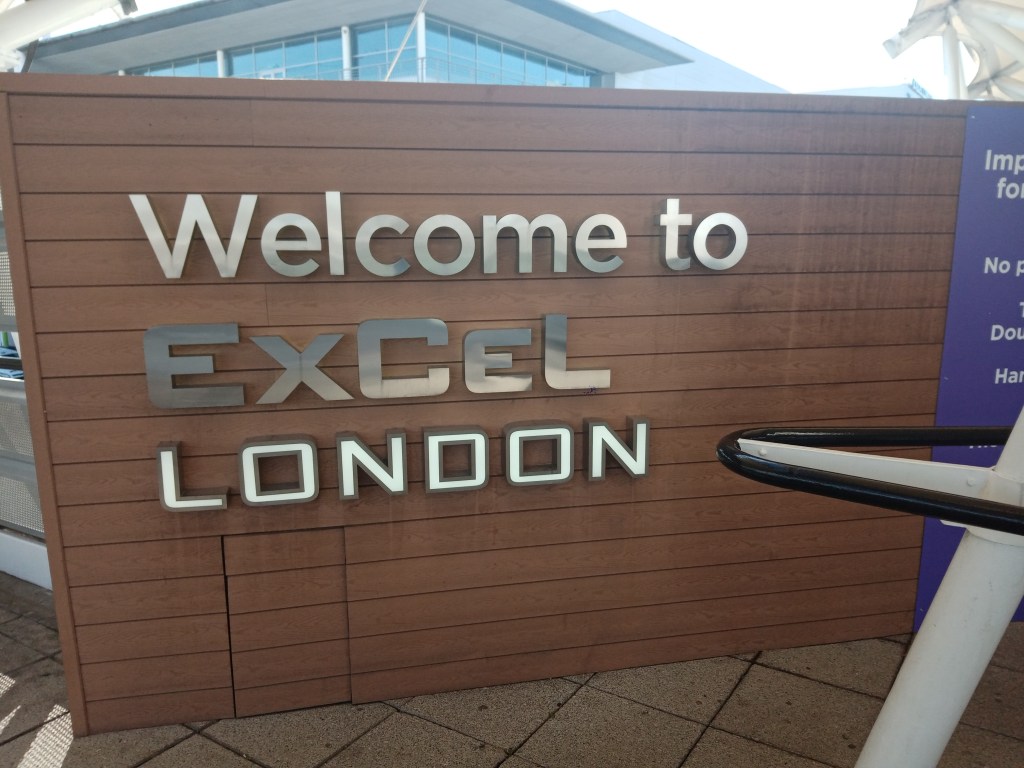
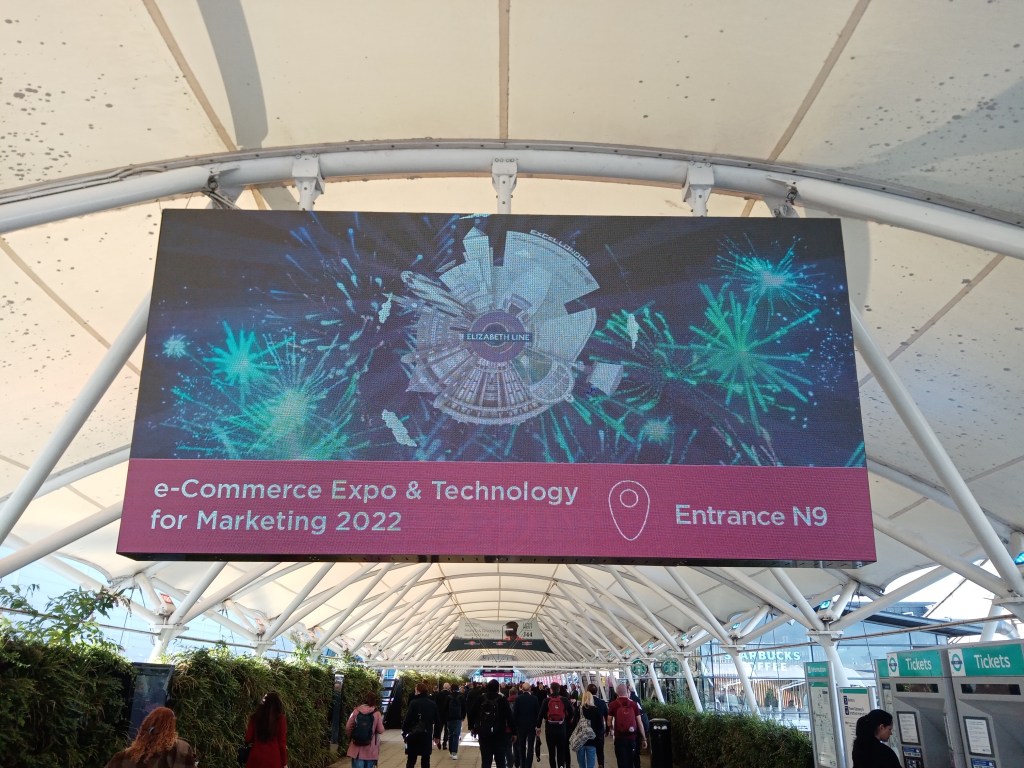


It was a great experience to be a part of this event
Two days of fantastic talks. The agenda was full of engaging talks given by people placed closest to these technologies, building their businesses around it and – a lot of the time – making it stories of their lives. There were different hubs and many great presenters, sharing their knowledge in a condensed form, most of them addressed to B2C (business to customer / retail) area, with quite a few talks about B2B (business to business / trade) transactions.
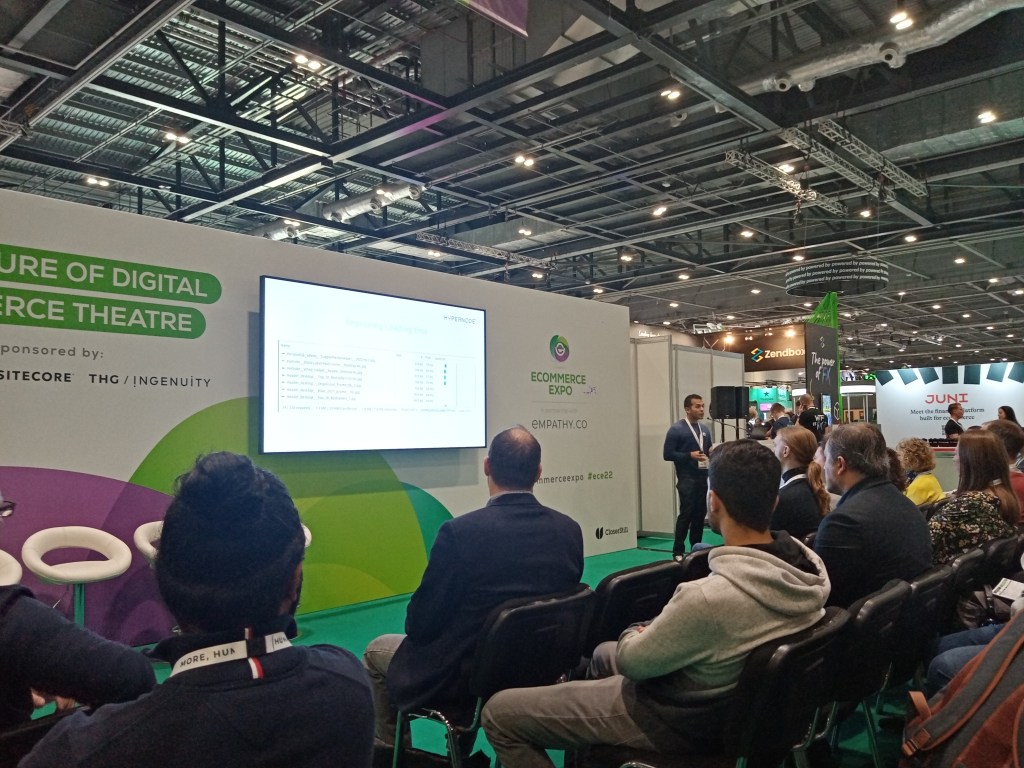
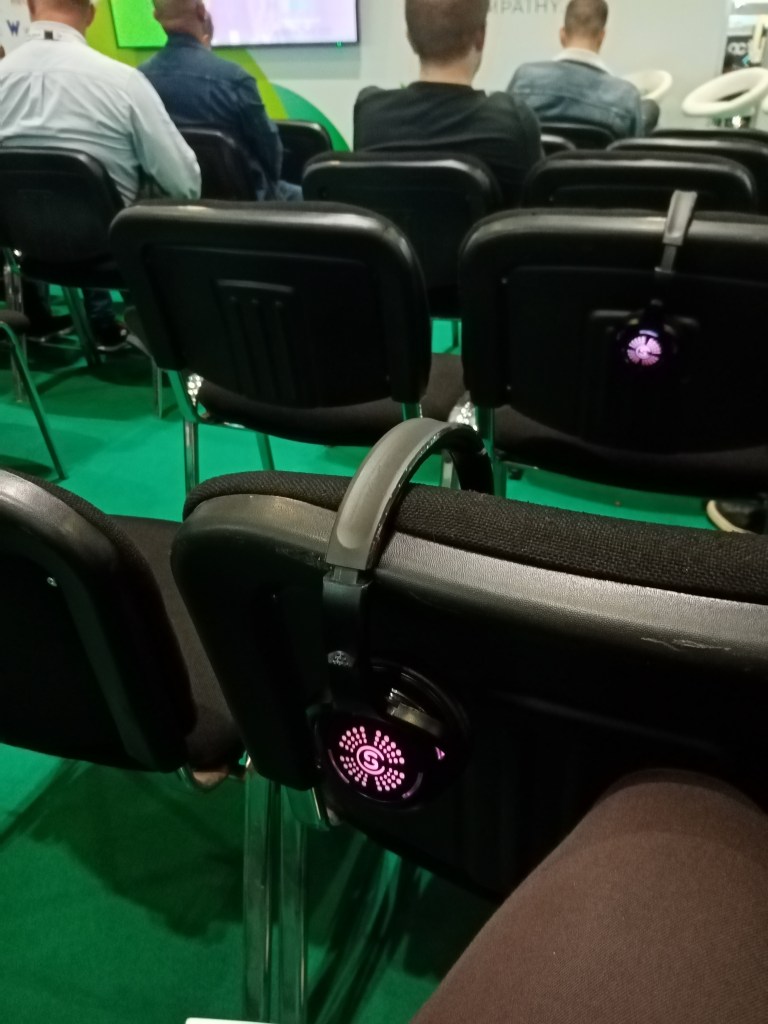
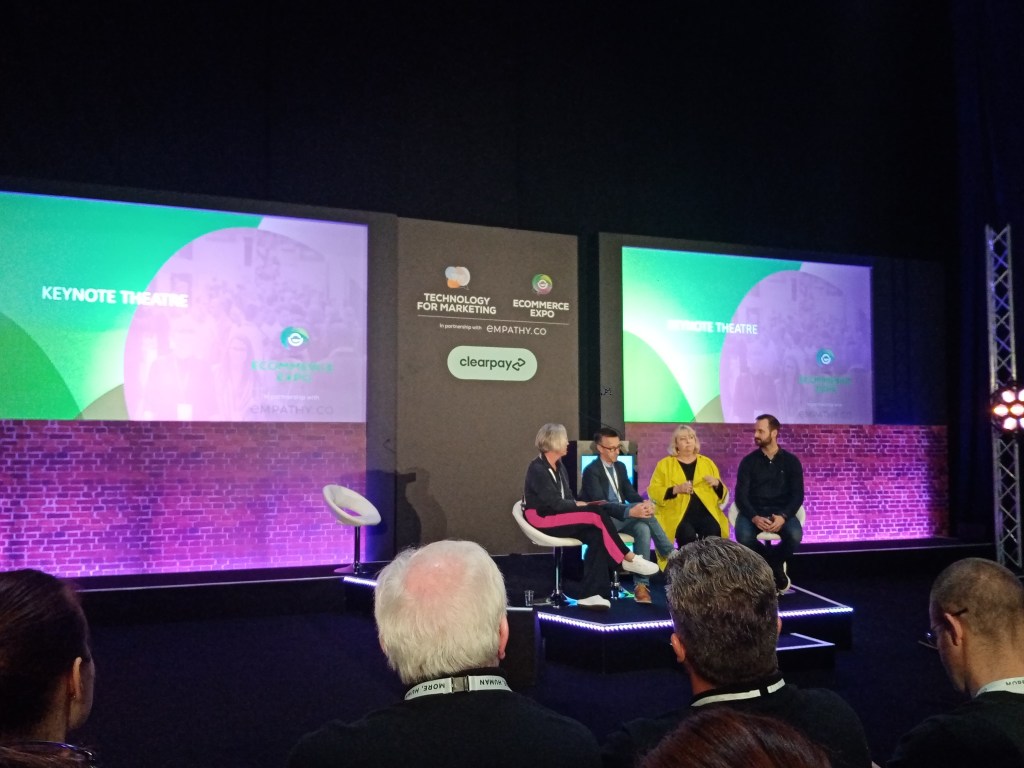


It is virtually impossible to share content of all the talks , but few things, that were presented, are worth mentioning so you will find them listed below:
- The Future of CRM
- How to grow your ecom business during a recession
- Continued expansion of Omni-channel capabilities using technology and organisation
- Top Tips for Optimizing the checkout
- Are you leaving revenue in your basket? Checkout optimisation discussed
- AI-Powered Recommender Systems in eCommerce
- Using technology to master the growing points of fulfilment
- What is the future of digital ecommerce?
- Understanding your B2B customer
- Things will only get meta – or will they? Is the metaverse a useful channel or a genuine game changer?
- The impact of Site Search on B2B sales
- If data is the new oil, why the hell am I not mega rich?
- Will digital ID be the future for brands?
- Macro trends, Consumer Expectations and the Evolving eCommerce Ecosystem (Mastercard)
Few key takeaways can be found below
Hide the complexity, optimize the checkout
Plenty of time was spent on discussing this area. Generally speaking the key message is to remember, that the buying process, and most importantly the checkout process on your website has to be optimized and streamlined as much as possible. Your processes in the background can be complex, but does your buyer need to know that? Average user does not have the time and energy to go through woolly, lengthy process of – first of all – finding the product that they need, secondly trying to guess how to make a purchase, how much to pay, one also needs different payment and delivery options. And remember, even when dealing with B2B customer – there is a person on the other side of the screen.

Omnichannel
Omnichannel is a buzz-word these days, depending on the type of the business you should try and gain interest and sales via different channels, and by rolling out different sales channels, it should be easy to determine, which one works best for your business, by verifying, which one generates the best conversion and brings most of the revenue.

Browsing vs searching
Browsing means wandering around, trying to find something interesting without any specified criteria, whereas search is of a huge importance. When you have your customer in your shop, the last thing you want is for them to see ‘sorry, no results!’ when they type in their search criteria. Recommendations, related products but also software that helps with cognitive search, are the key aspects helping your customer find, what they need, and accelerate upselling and cross-selling on your website. You can also customize the process of searching for products by exposing e.g. the low moving stock, promotions, indication of new products in a specific stage of searching journey. Search is an incredible source of data, helps you understand, what products are in demand but maybe missing in your portfolio. So the bigger your search box on the homepage is, the better 🙂

Personalization and its importance
Depending on the industry, type of business (B2B, B2C), region and many other things, there will be different strategies working best for you, but good thing to remember is also that personalization of user experience is a very important thing (not only to be able to display ‘hello [customer name]’ in the panel when they log in to their account). Customer should have an option to decide, which functionalities they want to see on their account, when they log in. Products they ordered in the past should be part of their experience, making it easier to find recommendations but also other products, somehow related. These are just a few examples of what could be considered as an area to personalize the journey for returning customer. AI has a impactful role to play here.
Buyer personas
When was the last time you conducted customer research?
Understanding your buyers isn’t a once and done job. The average age of buyers in some industries is plummeting, the challenges and pressures your customers may face within their business are constantly changing and the average time that people stay in the job has decreased. These are only a handful of reasons why you should be conducting customer research more often, but the list is truly endless if you want to ensure your ecommerce is meeting your customers needs.

Content is key
Are you knowledgeable? Are you a trustworthy business partner? Do you really care?
These are all questions your customers are likely to ask themselves before they decide to buy. Keeping this in mind when making ecommerce decisions is vital. B2B websites are usually more focused on being functional than B2C, but again – there is a user in the company, making a decision, not a business.

And a bit of extra flavor… Things will only get meta – or will they? Is the metaverse a useful channel or a genuine game changer?
Metaverses and other immersive experiences are the next wave of digital interaction. Now is the time for companies to get “metaverse-ready”. Virtual creations and goods, like clothing, will be an important part of immersive experiences. Ensuring their authenticity will be essential.
Start creating 3D and immersive content now.
Future benefits:
- freedom to experiment,
- library of assets for immersive experiences,
- building the muscle and learning valuable lessons early.

So this is brief overview of the Expo in London this September, one of the most significant ecommerce events in Europe recently. If any of the above are of your interest, please feel free to leave a comment so I can share more of valuable content with you.
Otherwise I hope I’ve given you quite a bit to think about!
FAQ:
Q1: What trends did the London Expo highlight?
- Checkout optimization, omnichannel strategies, AI-powered recommendations, fulfillment tech, metaverse and immersive content trends, personalization, buyer personas, and the power of effective site search In The Loop
Q2: Why optimize checkout processes?
- Streamline user experience; complexity deters buyers—smooth checkout leads to higher conversions In The Loop
Q3: What role does search and personalization play?
- Improved search (cognitive, recommendations) boosts discovery and upselling; personalization enhances relevance and retention In The Loop
Q4: What about future-facing trends?
- Brands should explore 3D/immersive content and metaverse readiness to stay ahead in digital engagement In The Loop
Discover more from In The Loop
Subscribe to get the latest posts sent to your email.
